lunes, 15 de febrero de 2016

The Zimmerman's Telegram.

The decoded telegram is as follows:

"We intend to begin on the first of February unrestricted submarine warfare. We shall endeavor in spite of this to keep The United States of America neutral. In the event it not succeeding, we make Mexico a proposal of alliance on the following basis: make war together, make peace together, generous financial support and an understanding on our part that Mexico is to reconquer the lost territory in Texas, New Mexico and Arizona. The settlement in detail is left to you. You will inform the President of the above most secretly as soon as the outbreak of war with the United States of America is certain and add the sugestion that he should, on his own initiative, invite Japan to immediate adherence and at the same time mediate between Japan and ourselves. Please call the President's attention to the fact that the ruthless employment of our submarines now offers the prospect of compelling England in a few months to make peace". Signed ZIMMERMAN.

Telegram sent by Arthur Zimmerman, State Secretary for foreign affairs of Germany to the German Ambassador in Mexico, on January 11, 1917. The telegram was decoded by Great Britain and provoked the entry of the United States in the First World War.

martes, 19 de enero de 2016

Unit 4: Spain in 19th century

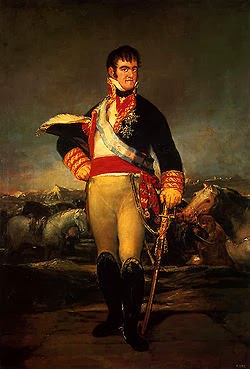
3. The reign of Ferdinand VII: The resistance to the change.
Click on the image

https://docs.google.com/file/d/0Bx5mEui3ZRDkbjBUVDhKWEE1ZHM/edit?usp=drive_web

Francisco de Goya, 1814. Museo del Prado

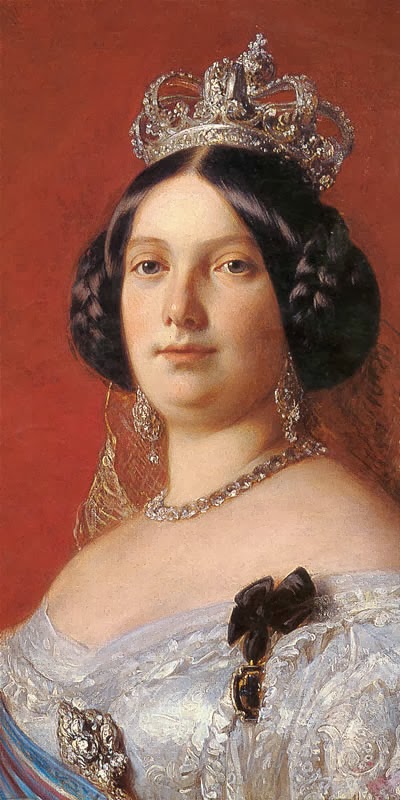
4. Isabella II: the construction of a liberal State:
Click on the image
https://docs.google.com/file/d/0Bx5mEui3ZRDkUUdoTzhfQWlEazA/edit?usp=drive_web
Detalle del retrato de Isabel II
de Franz Xavier Winterhalter (Palacio Real).

viernes, 20 de noviembre de 2015

UNIT THREE: The Industrial Revolution (transports)

3. The Transport Revolution:

Click here to open the worksheet

            SOURCE 1. CANALS
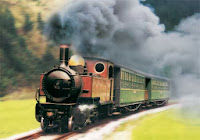
https://docs.google.com/file/d/0Bx5mEui3ZRDkc0Q2clJSVDlsc2M/edit?usp=drive_web

One of the biggest problems of the early Industrial Revolution was how to transport huge quantities of goods. Water had been one route before, through rivers and coasts. There were many navigable rivers in Britain, but they did not go where industry needed them to. In 1761, the first modern canal in Britain was built: the Bridgewater Canal to deliver coal from mines in Worsley to industrial Manchester. It was extended later to Liverpool to carry cotton. Later on, hundreds of miles of canals were built to link major rivers and major cities.
Although coal could be transported easily and was cheap, it was very slow.
Canals were expensive and difficult to build. Building canals in agricultural areas was problematic.

SOURCE 2: RAILWAY

A. The building of the railways had a big impact on Britain.
It created jobs, made goods cheaper, spread information faster (post and news) and changed the landscape in the countryside. In Britain in the 19th century:
People were able to travel greater distances for leisure and for work. For example, the railways made cheap day trips possible and coastal areas developed and provided work and created more jobs.
Canals and stage-coach companies could not compete with the speed of the railways. Townspeople were able to receive fresh meat, fish, milk and vegetables brought in by the railway. 
Industry grew as the railways needed coal and iron. Railways, in turn, allowed factories to transport their goods to market more quickly.
Newspapers could be sent from London all over the country and the post became faster.

B. The railways created jobs in the railway industry. They also created jobs in the coal and iron industries.
They also helped to reduce the cost of transporting or moving goods from one place to another. This in turn meant that the people who made these goods could sell them cheaper.
Once these goods became cheaper, more people could buy them so the people who made them had to make more of them, which created even more jobs.
The railways did not just change the way goods were transported. They changed the way people travelled about the country. Instead of travelling on mail coaches people started to travel by train, which was not only cheaper but also faster.

Information from Alberto de los Ríos Sánchez
Secuencias Didácticas AICLE:
The Industrial Revolution in Britain.

domingo, 11 de octubre de 2015

UNIT TWO: Declaration of the Rights of Man and Citizen

DECLARATION OF THE RIGHTS OF MAN AND CITIZEN:


Read the document: Extract from the Declaration of the Human Rights of Man and of Citizen and answer:
a) What are the rights of man and citizen?
b) Where is the source of all sovereignty?
b) What are the limits of the rights of each individual? What is freedom? (Art. 4)
c) How can the citizens' freedom be limited? (Art. 5)
d) Who makes the law? What must the law be like? (Art. 6)
e) How is the right of equality defined in the document?
f) Why do citizens have to pay taxes? What should they (the taxes) be like?
g) How is the property described in the document?
h) When was this document written? Who wrote it?